

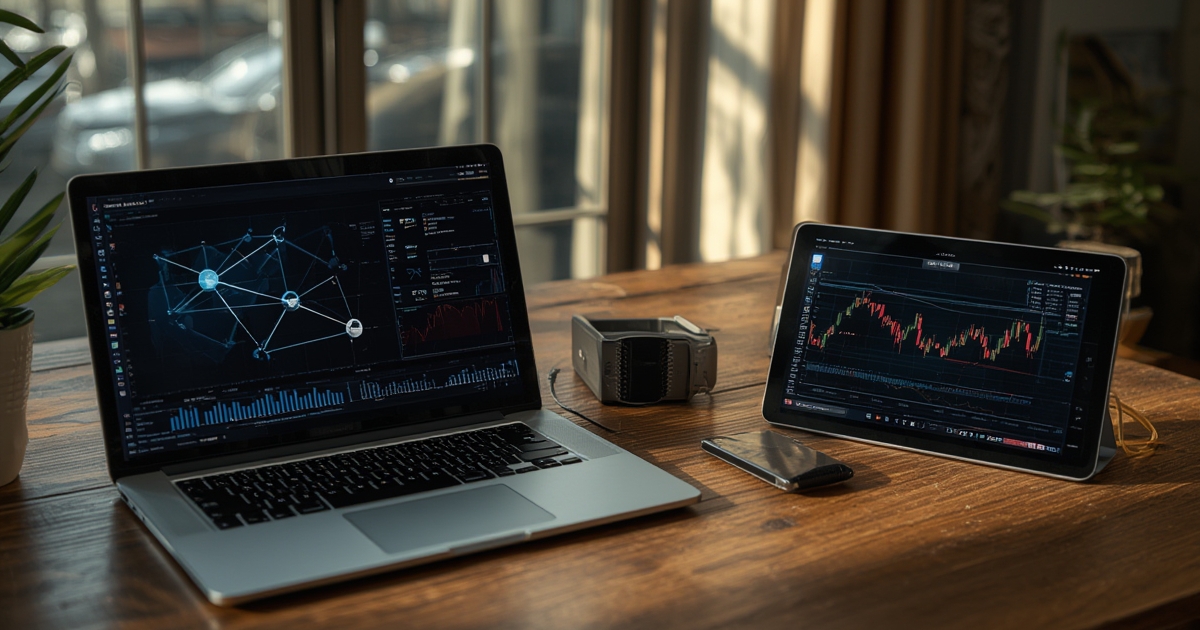
Why Digital Assets Matter in Modern Portfolios
When you think about building wealth, the first thing that usually comes to mind is a mix of stocks, bonds, and maybe a real‑estate holding. Yet the financial landscape is shifting, and today savvy investors are adding a new class to the mix: digital assets. These blockchain‑based instruments have moved from speculative fringe to mainstream consideration, offering diversification, potential inflation hedging, and exposure to cutting‑edge technology. Understanding how digital assets fit into a broader wealth‑building plan is the first step toward a resilient, future‑proof portfolio.
Understanding the Basics of Cryptocurrency
What Is a Cryptocurrency?
At its core, a cryptocurrency is a digital token that uses cryptographic techniques to secure transactions and control the creation of new units. Unlike traditional fiat money, which is issued by central banks, cryptocurrencies operate on decentralized networks called blockchains. This decentralization reduces reliance on any single authority and can lower transaction costs, especially across borders.
Key Terminology You Need to Know
- Blockchain: A distributed ledger that records every transaction in a tamper‑proof manner.
- Wallet: Software or hardware that stores your public and private keys, enabling you to send and receive digital assets.
- Exchange: A platform where you can trade one cryptocurrency for another or for fiat currency.
- Gas Fees: Transaction costs paid to miners or validators to process and confirm a transaction on the network.
- Stablecoin: A cryptocurrency pegged to a stable asset like the U.S. dollar, designed to reduce price volatility.
Grasping these fundamentals will help you avoid common pitfalls and make more informed decisions when you start allocating capital to digital assets.
First Steps: Setting Up a Secure Foundation
Choosing the Right Wallet
Security is non‑negotiable in the world of digital assets. Your first priority should be selecting a wallet that balances safety with usability. There are three primary categories:
- Hardware Wallets: Physical devices (e.g., Ledger, Trezor) that store private keys offline, offering the highest level of protection against hacking.
- Software Wallets: Mobile or desktop apps (e.g., Exodus, Trust Wallet) that are convenient for frequent trading but are more vulnerable to malware.
- Custodial Wallets: Services provided by exchanges (e.g., Coinbase, Binance) that hold the keys for you, simplifying onboarding but introducing counterparty risk.
For beginners, a hybrid approach works well: keep a modest amount in a reputable custodial wallet for active trading, and store the bulk of your holdings in a hardware wallet for long‑term security.
Protecting Your Private Keys
Private keys are the secret codes that grant ownership of your digital assets. Losing them means losing access forever; exposing them means losing them to thieves. Follow these best practices:
- Write the seed phrase on paper and store it in a fire‑proof safe.
- Never share your private keys or seed phrase online, not even with “support” representatives.
- Enable two‑factor authentication (2FA) on every exchange and wallet app.
- Consider a multi‑signature setup for large balances, requiring multiple approvals before a transaction can be executed.
Evaluating Investment Platforms for Digital Assets
Comparing Top Crypto Exchanges
Choosing the right exchange can dramatically affect your costs, security, and overall experience. Below is a side‑by‑side comparison of three leading platforms, focusing on fees, security features, and the breadth of digital assets offered.
| Exchange | Trading Fees (Maker/ Taker) | Security Highlights | Number of Supported Assets | Best For |
|---|---|---|---|---|
| Coinbase Pro | 0.00% / 0.05% | Insurance on digital assets, 2FA, cold storage | ≈ 150 | Beginners who value regulatory compliance |
| Binance | 0.02% / 0.04% | SAFU fund, IP whitelisting, hardware‑wallet integration | ≈ 600 | Active traders seeking low fees and variety |
| Kraken | 0.00% / 0.26% | Cold storage, PGP‑encrypted email support | ≈ 200 | Investors focused on fiat‑on‑ramp and compliance |
When evaluating an exchange, weigh the fee structure against the security measures and asset coverage that align with your investment goals.
Building a Balanced Digital Assets Strategy
A well‑structured digital assets allocation should complement, not replace, traditional investments. Here’s a step‑by‑step framework to help you integrate crypto into a diversified portfolio:
- Assess Risk Tolerance: Determine how much volatility you can comfortably endure. Digital assets can swing 10‑20% in a single day.
- Set Allocation Limits: Financial advisors typically recommend limiting crypto exposure to 5‑10% of total net worth for most investors.
- Choose Asset Types: Blend high‑growth tokens (e.g., Bitcoin, Ethereum) with stablecoins for liquidity and low‑volatility holdings.
- Implement Dollar‑Cost Averaging (DCA): Invest a fixed amount weekly or monthly to smooth out price fluctuations.
- Rebalance Quarterly: Review your allocation and shift assets back to target percentages to lock in gains or limit losses.
- Consider Staking or Yield Farming: Earn passive income by locking certain assets, but only after fully understanding the associated smart‑contract risks.
By treating digital assets as a distinct asset class with its own risk profile, you can harness their upside potential while protecting the core of your wealth.
Tax, Risk Management, and Long‑Term Growth
Digital assets introduce unique tax considerations that differ from stocks or bonds. In most jurisdictions, crypto transactions are taxable events, whether you’re selling, swapping, or using crypto to purchase goods. Ignoring tax obligations can lead to penalties and erode your returns.
Tax Planning Essentials
- Track Every Transaction: Use portfolio trackers or spreadsheets to record dates, amounts, and fair market values at the time of each trade.
- Understand Capital Gains: Short‑term gains (held < 1 year) are taxed at ordinary income rates; long‑term gains enjoy lower rates.
- Utilize Tax‑Loss Harvesting: Sell underperforming assets at a loss to offset gains, but be mindful of “wash‑sale” rules where applicable.
- Report Stablecoin Interest: Earnings from staking or lending are generally treated as ordinary income.
Risk Management Techniques
Beyond diversification, employ these safeguards to protect your digital assets portfolio:
- Position Sizing: Never risk more than 1‑2% of your total crypto allocation on a single trade.
- Stop‑Loss Orders: Set automatic sell triggers to limit downside on volatile positions.
- Insurance Options: Some custodial services offer coverage against hacks; evaluate the policy limits and exclusions.
- Regulatory Monitoring: Stay informed about evolving regulations that could impact exchange operations or tax treatment.
Planning for Long‑Term Growth
While many investors chase short‑term price spikes, a sustainable wealth‑building approach focuses on compounding over years. Consider the following long‑term tactics:
- Allocate a portion of earnings to a “crypto retirement fund” that remains untouched until retirement age, mirroring the philosophy of a traditional 401(k).
- Reinvest staking rewards to benefit from compound interest, effectively turning your crypto holdings into a self‑growing asset.
- Periodically review emerging protocols and layer‑2 solutions that could improve scalability and reduce transaction costs, potentially unlocking new value.
Practical Checklist for Your First Crypto Investment
Before you click “Buy,” run through this concise checklist to ensure you’ve covered the essentials:
- Define a clear investment goal (e.g., wealth preservation, speculative upside, or income generation).
- Determine your risk tolerance and set a maximum allocation percentage for digital assets.
- Choose a reputable exchange and complete KYC verification.
- Set up a hardware wallet and securely back up the seed phrase.
- Execute a small initial purchase using dollar‑cost averaging.
- Record the transaction details for tax reporting.
- Implement a stop‑loss order or set a price target for the first position.
- Schedule a quarterly review to rebalance and assess performance.
FAQ
How can I quickly improve my credit score?
Pay down revolving balances to below 30% of each credit limit, ensure on‑time payments for at least six months, and keep older accounts open to maintain length of credit history.
What is the safest way to invest $1,000 in digital assets?
Start with a diversified mix: 60% in a low‑volatility asset like Bitcoin, 30% in a top‑tier altcoin such as Ethereum, and 10% in a stablecoin for liquidity. Use a reputable exchange, transfer the assets to a hardware wallet, and apply dollar‑cost averaging over three months.
Are stablecoins a good hedge against market volatility?
Stablecoins maintain a 1:1 peg to fiat currencies, so they provide stability and quick access to cash. They are useful for parking profits during market dips, but they do not offer growth potential.
Do I need to pay taxes on crypto earned from staking?
Yes. In most jurisdictions, staking rewards are treated as ordinary income at the fair market value on the day they are received. Keep detailed records for accurate reporting.
What’s the difference between a hot wallet and a cold wallet?
A hot wallet is connected to the internet (e.g., mobile or web‑based) and offers convenience for frequent transactions, while a cold wallet stores keys offline, providing stronger protection against hacks.